Solution · IoT & Connected Operations Platforms
Turn connected devices into
operational visibility and action.
Build platforms that collect device data, interpret what is happening and turn telemetry into alerts, workflows and operational action.
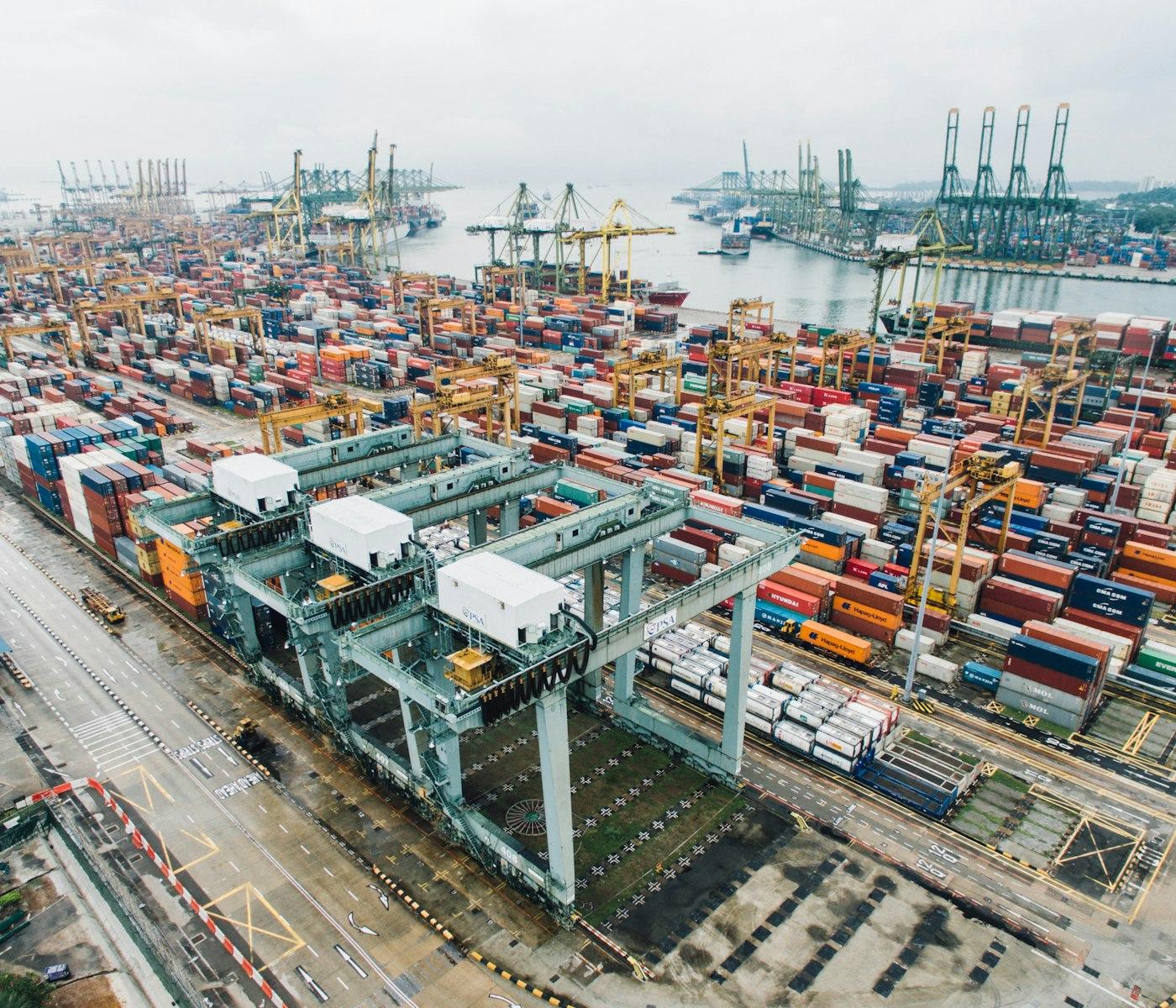
When connected devices outgrow the map
Device data is only useful when the operation can act on it.
Telemetry arrives continuously. The difficulty is turning it into context, priority and a response the right people can act on.
- 01Devices generate data without contextLocation, sensor values and status arrive continuously, but teams still have to interpret what actually matters.
- 02Different devices speak different languagesHardware manufacturers, protocols and packet formats create integration complexity before useful data even reaches the application.
- 03Teams watch instead of respondDashboards show activity, but alerts, escalation and follow-up remain manual.
- 04Historical data is hard to useTrips, events and telemetry accumulate without becoming useful operational insight.
- 05Physical and business workflows stay separateDevice events do not automatically connect to customers, assets, cases, maintenance or operational actions.
- 06Scale creates noiseMore devices, users and events can produce more alerts without improving visibility.
The goal is not to collect more telemetry. It is to turn connected data into useful operational action.
The connected operations landscape
Different assets create different connected systems.
A fleet operator, an equipment manufacturer and a connected-care provider all work with device data — but the signals, rules and responses behind each are very different.
These are common connected-operation patterns, not fixed products. A platform can combine several depending on the devices, data and operating model involved.
How it comes together
Connected operations span the physical and digital layers.
The dashboard is only the top layer. Explore how devices, connectivity and ingestion, telemetry and operational context, applications and intelligence work together.
We design the path from device signal to operational action as one system — from connectivity and data ingestion through rules, interfaces and intelligence.
Custom by design
Your connected operation should define the platform.
Two organisations can use similar trackers or sensors while operating in completely different ways. The platform should reflect the devices, rules and responses that matter.
The platform is designed around the relationship between devices, data and operational action — not around a generic IoT dashboard.
The right connected strategy
Custom does not mean building every layer yourself.
The right connected platform may combine third-party hardware, existing connectivity, specialist infrastructure and custom operational software.
The goal is not maximum custom development. It is the right architecture from device to action.
Connect what already exists
Connected devices create more value when their data reaches the systems around them.
Have another system in the stack? Where a viable integration path exists, we can usually work with it.
Explore System IntegrationBuilt for continuous operations
Connected platforms have to remain trustworthy while devices keep sending data.
- IdentityMaintain clear relationships between devices, assets, users and organisations.
- Data integrityEnsure telemetry and operational history stay linked to the correct device and asset.
- ReliabilityDesign ingestion, monitoring and recovery around continuous device activity.
- ScaleSupport growth in devices, events, users and historical data.
- GovernanceControl device onboarding, access, rules and operational configuration as the system evolves.
How we can engage
You do not have to rebuild the entire connected environment to improve it.
- BuildCreate a connected-operations platform around a new device, asset or operating model.Best whenThe devices, rules or responses are distinctive and no existing platform fits.
- ModerniseRe-engineer an ageing tracking, telemetry or monitoring platform.Best whenThe devices and data are valuable but the platform is hard to scale, extend or operate.
- ConnectBring device data into ERP, CRM, field or other operational systems.Best whenTelemetry is visible on a dashboard but never reaches the business workflows around it.
- ExtendAdd new device types, alerts, mobile experiences, analytics, automation or AI.Best whenThe core platform works but the operation needs more from it.
These are entry points, not a sequence. Most engagements start with one and grow into others.
Go further
Connect device intelligence to the wider operation.
Related services
The specialist services most often involved in designing, building, connecting and operating an IoT or connected operations platform.
FAQ
Common questions about IoT & connected operations platforms.
Yes. Where device protocols, APIs or packet specifications are available, the platform can be designed to ingest and normalise data from different hardware types.
Yes, where the protocol is documented or otherwise accessible for integration. Connected platforms can include custom packet parsing and protocol handling.
Yes. GPS and other location data can support live maps, geofencing, trip history and related operational workflows.
Yes. The architecture can be designed so additional device integrations can be introduced progressively.
Potentially, yes. Where the hardware and communication protocol support two-way communication, controlled device commands can form part of the platform.
Yes. Device events and telemetry can be linked with asset, customer, service or operational records where the systems expose suitable integration paths.
Yes. The architecture can be designed around the expected number of devices, event frequency, latency requirements and retention needs.
Yes, where there is sufficient high-quality historical and contextual data. AI or statistical methods can help identify unusual patterns, prioritise events or support prediction.
Yes. Web, mobile and operational interfaces can work from the same platform and shared data model.
Yes. Modernisation may include new interfaces, architecture changes, additional device support, improved observability, integrations or intelligence.